25+ Years of Growth:
Celebrating Our Gardening Legacy!
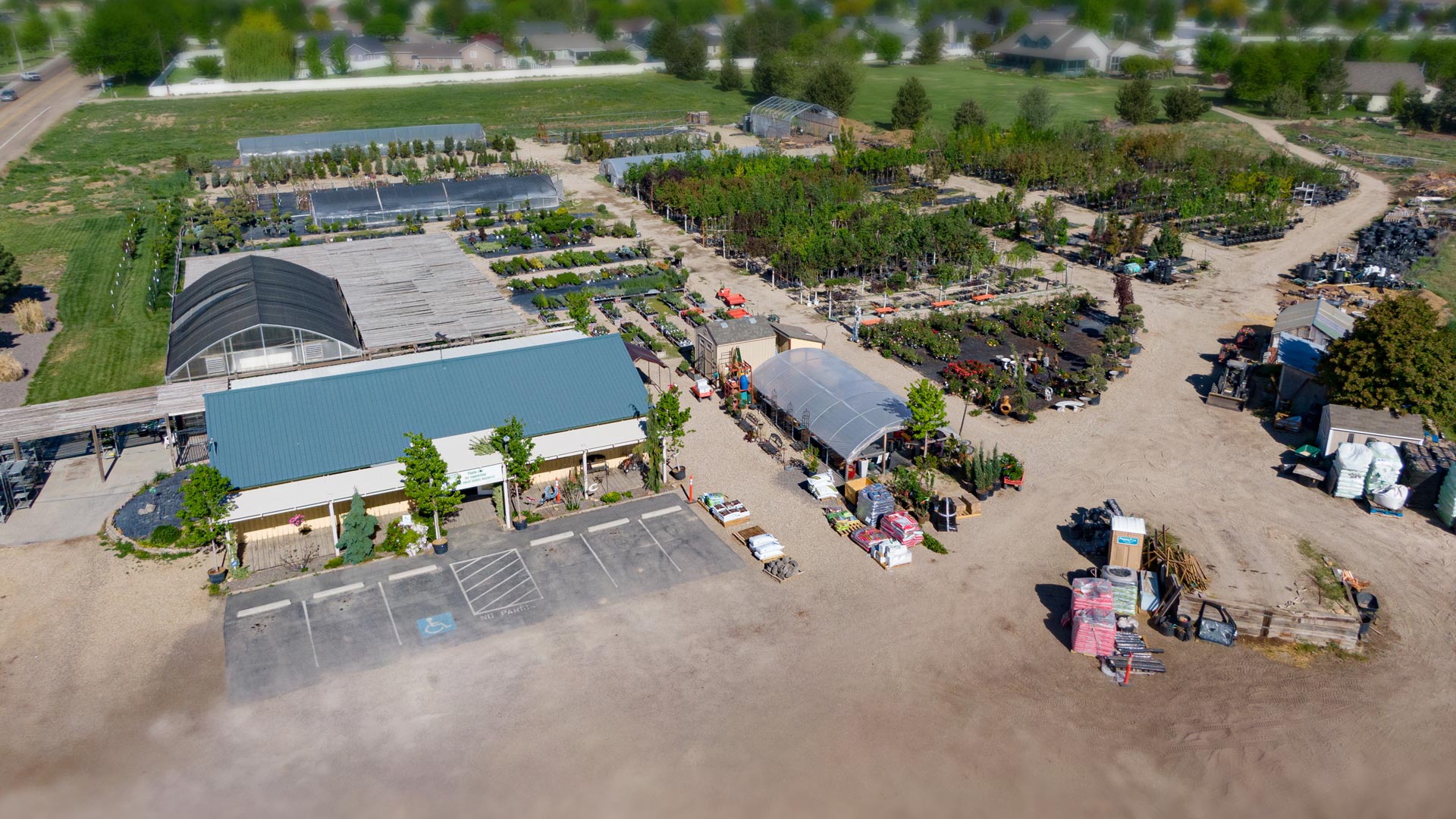
Adams Gardens is a locally owned and operated full-service nursery and garden center going on 26 years now.
Our nursery is located in Nampa, Idaho and open all year, excluding three weeks in January.
Knowledgeable, Friendly Service.
Explore our diverse selection of potatoes and onions!
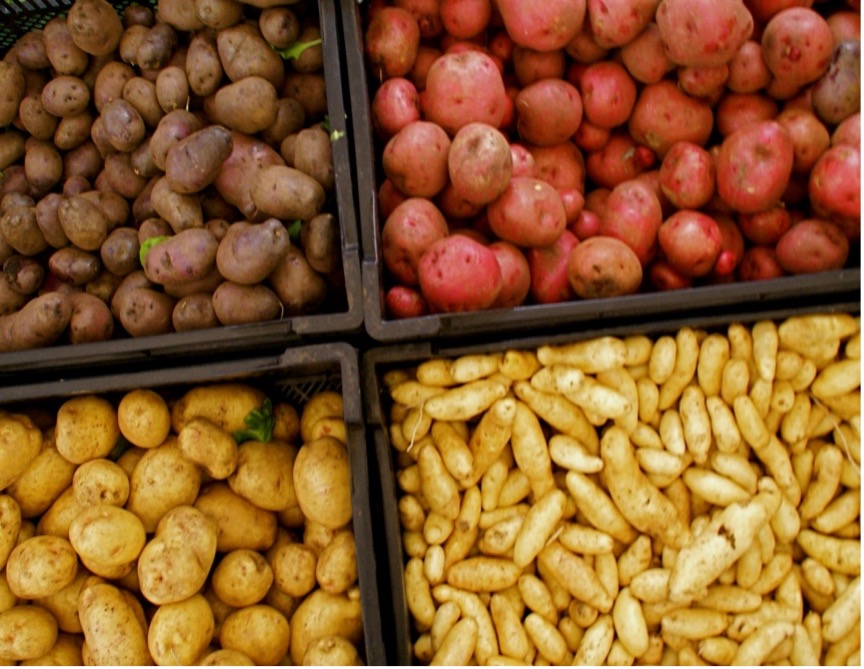
Plant now, harvest later—seed potatoes are in stock!
-
All Blue
-
German Butterball
-
Huckleberry Gold
-
Purple Majesty
-
Purple Viking
-
Red La Soda
-
Red Pontiac
-
Russet Burbank
-
Russet Norkotah
-
Yukon Gold
-
French Fingerlings
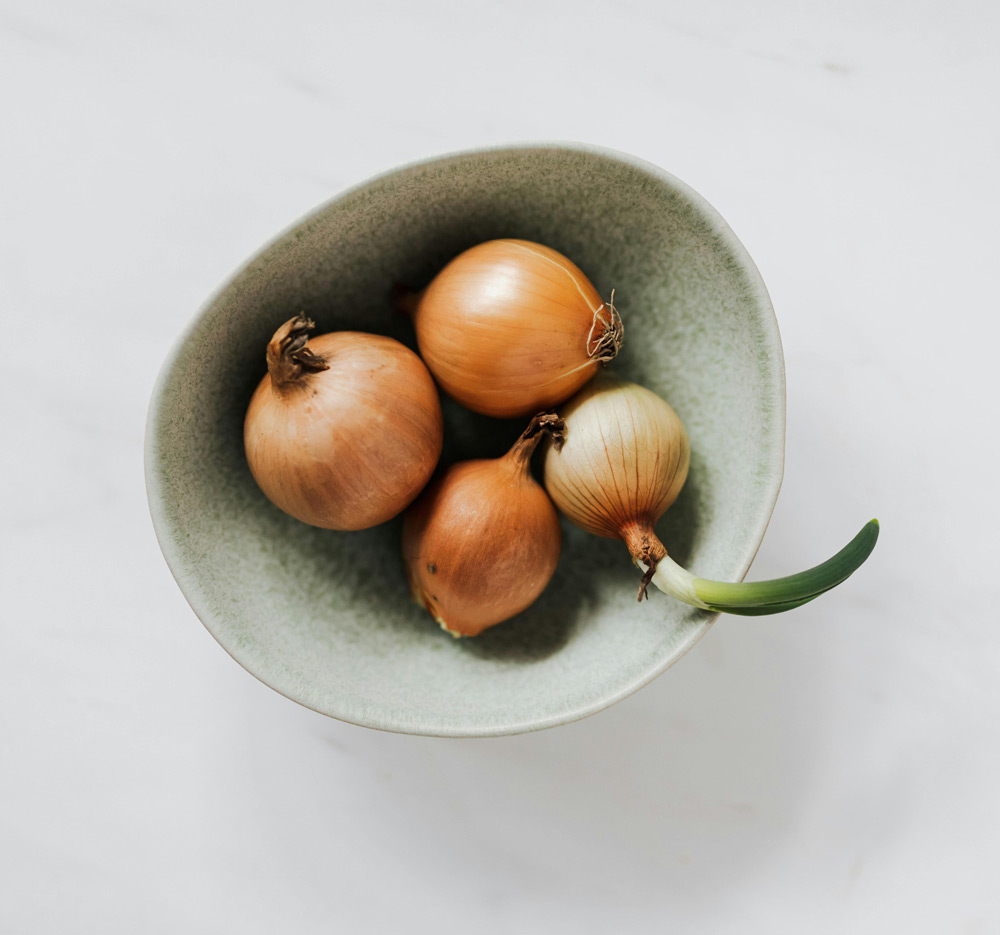
Plant, Grow, Harvest – Onions Made Easy!
It’s onion planting time and we’ve got white, yellow, and purple sets ready for your garden.
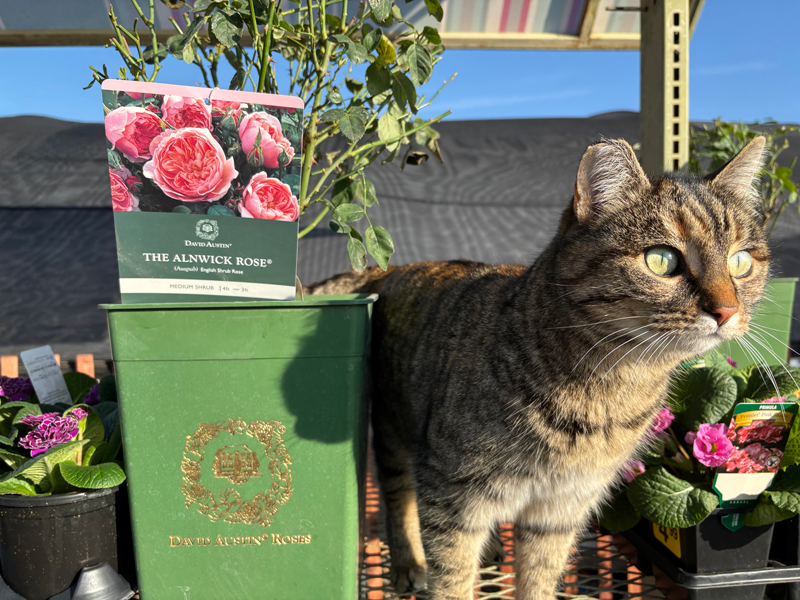
Stop by and say hi to Lucy!
She’s here to welcome you, supervise the plants, and soak up all the warm, sunny spots!
Don’t forget about Tobias!
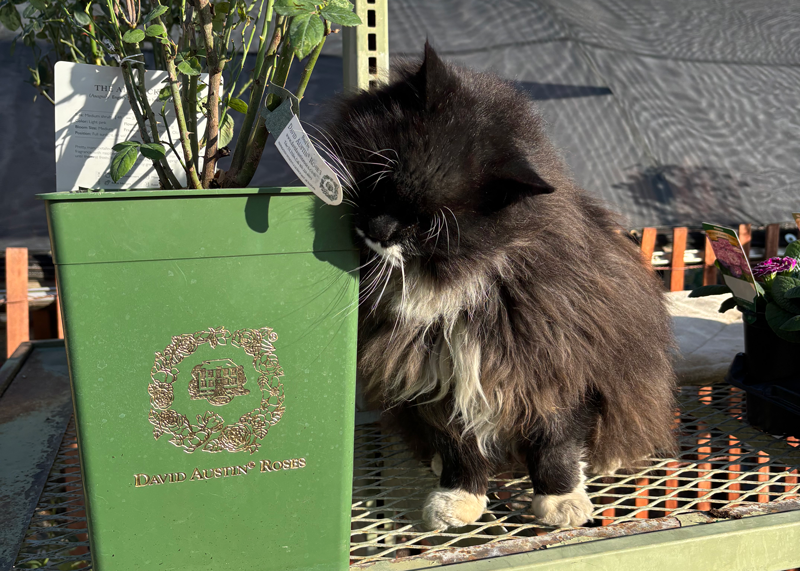
Every abandoned, lost, and homeless cat or kitten deserves safety, warmth, and a full belly. They didn’t choose this life—and it’s not their fault. With your help, we can provide food, shelter, and hope to those who need it most. Please consider feeding, donating, or fostering if you’re able. Even a small act of kindness can change a life.
Now Hiring: Tree Planters
Adams Gardens is looking for hardworking, reliable team members to join us as Tree Planters! This position includes delivering and moving trees using equipment, planting, watering, and maintaining tree inventory throughout the season.
Applicants must have a valid driver’s license and be comfortable working outdoors in all types of weather. Experience with equipment is a plus, but a strong work ethic and positive attitude are a must!
If you love working outside and being part of a great team, we’d love to hear from you.
Stop by our garden or give us a call at 208-461-6101.
The Houseplant Refresh Your Home Needs
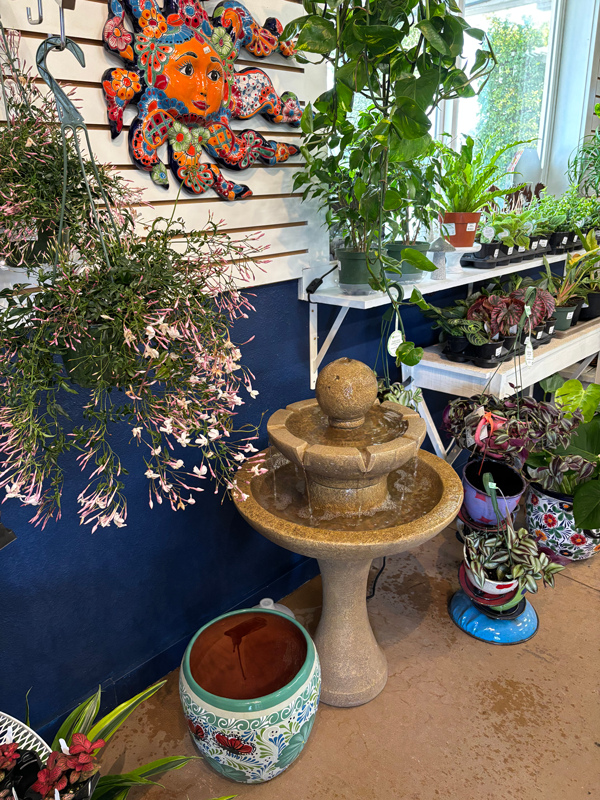
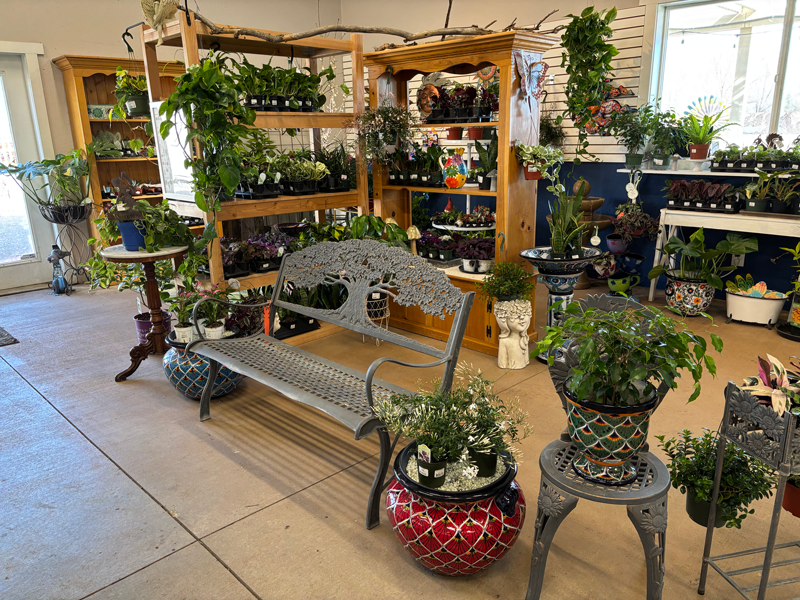
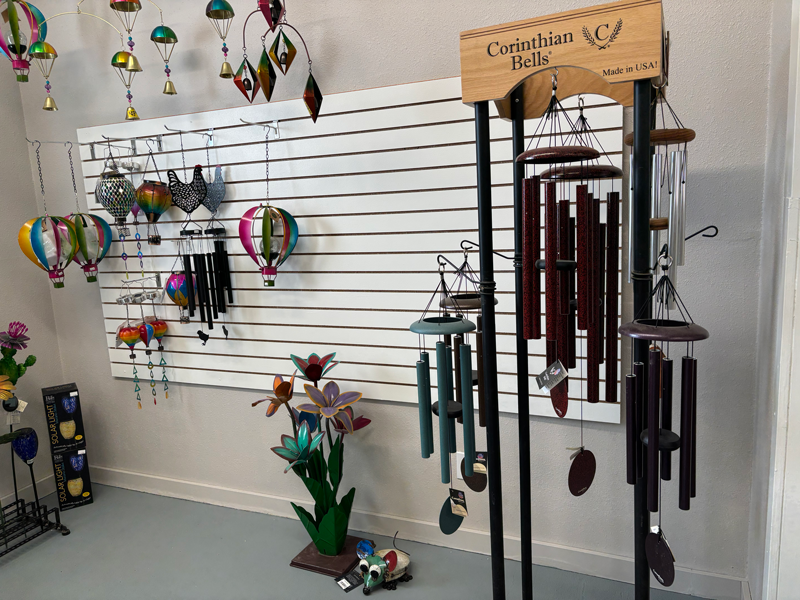
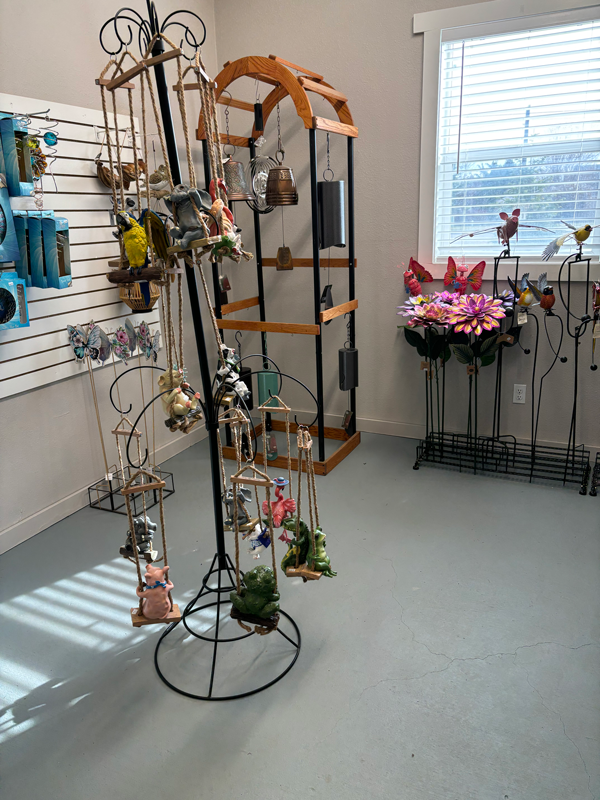
Chimes That Make Every Season Sing
David Austin Roses Have Arrived:
Timeless Beauty for Your Garden!
Choose from the Golden Celebration rose, Evelyn rose, The Alnwick rose,
and the Gertrude Jekyll Climbing Roses
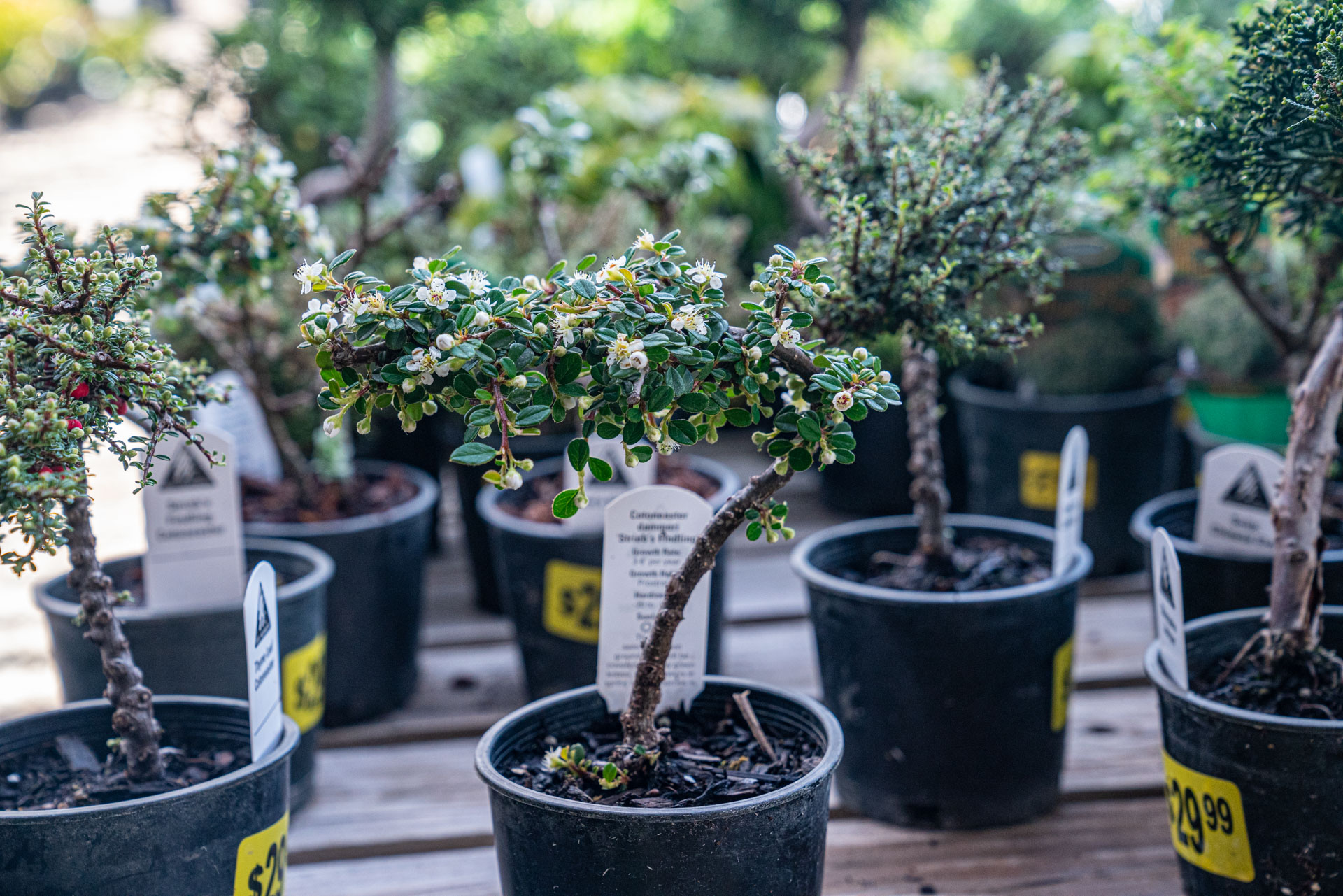
A selection of Bonsai plants are still available!
Start your new hobby here or give it as a gift this spring season!
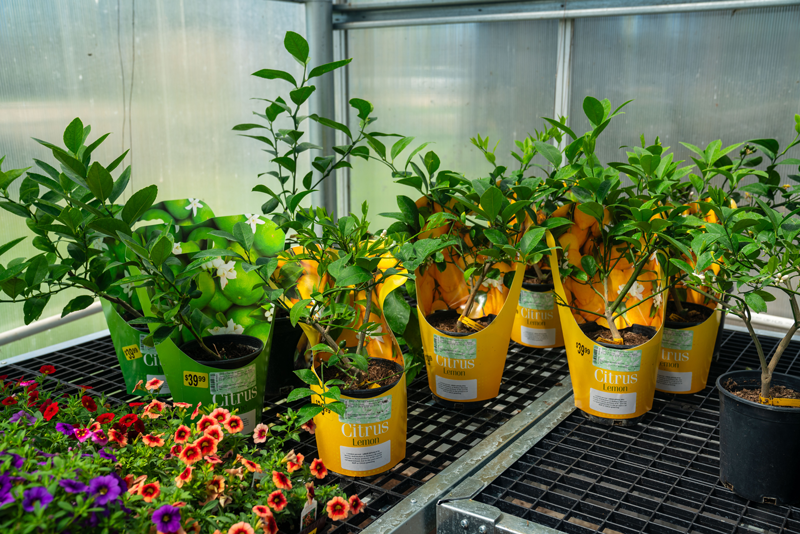
Some remaining Citrus trees are available in the greenhouse.
Bring a summer flair to your indoor decorating with a Citrus tree!
Fruit Trees Have Arrived!
View our Dave Wilson Fruit Tree List.
View our 2026 Fruit Tree list below!
Our fruit tree partner, Dave Wilson Nursery, explains the basics of backyard fruit trees. Watch this and subscribe to their FruitTube channel on YouTube!
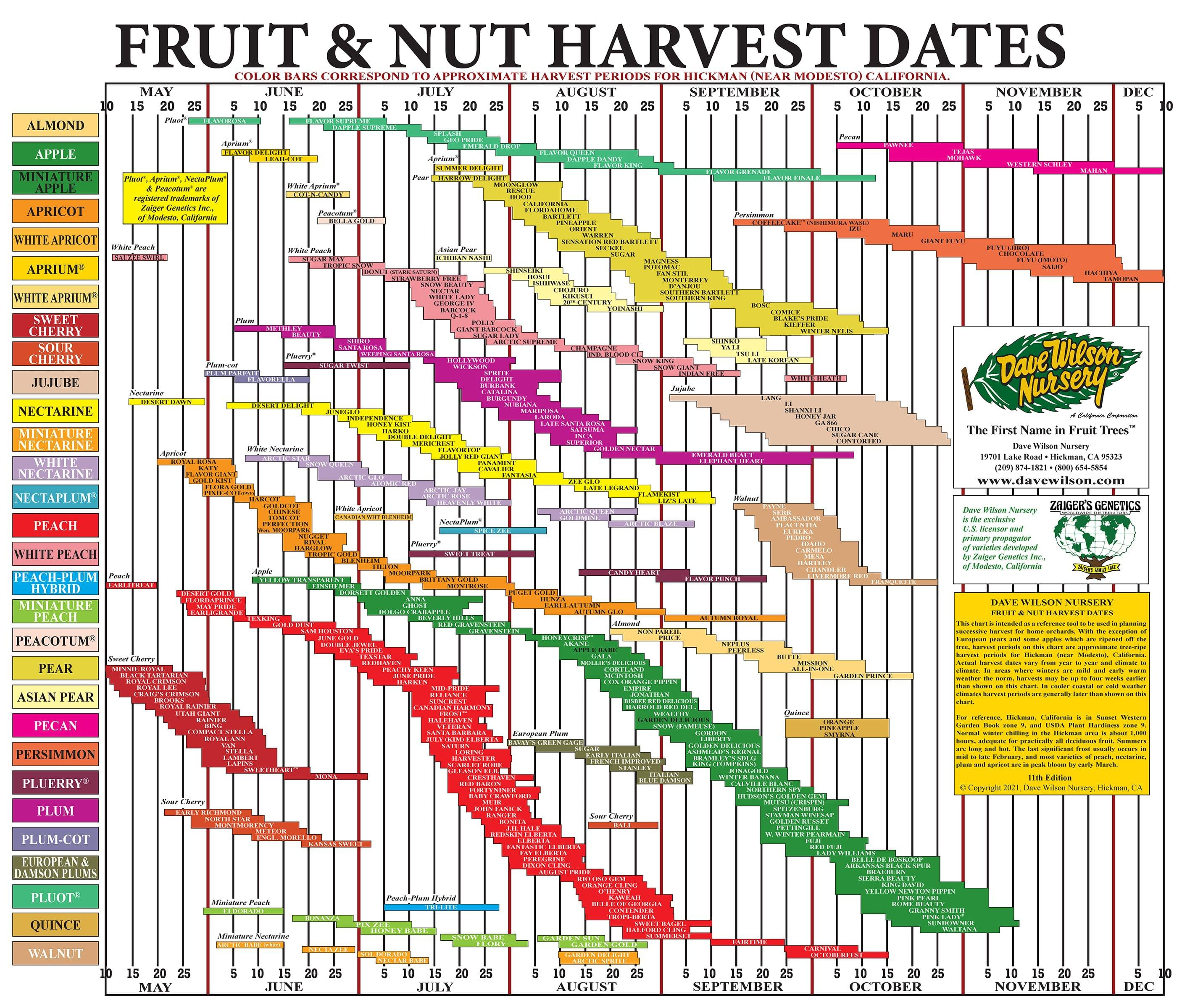
View our Fruit Trees chart to see when the best time is to harvest your fruit or come visit us and let us know if you have any questions about our variety of trees and other plants!
It’s Almost Here: Spring Prep Season Has Begun
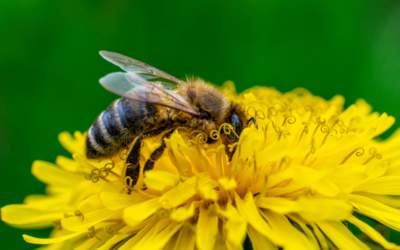
Supporting Pollinators
Support Pollinators by Planting with PurposeHow gardeners can help reverse the insect decline—one bloom at a time. Amid growing concerns over the decline of insect populations—sometimes referred to...
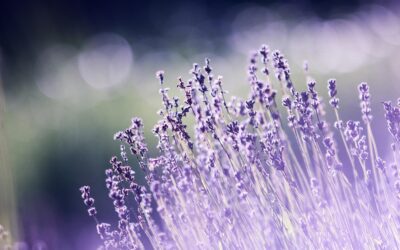
Boise Spring Flowers Planting Guide
Blooms Are Here! Welcome to our guide on selecting and planting the best flowers in Idaho! Whether you're a seasoned gardener or just getting started, knowing the perfect planting times in the...
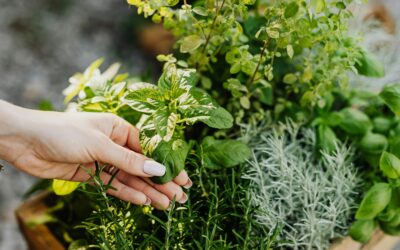
Boise Spring Herbs and Veggies Planting Guide
Get Growing: Your Spring Herb & Veggie Planting Guide Spring is the perfect time to get your hands in the fertile Nampa dirt and start something delicious. Whether you're dreaming of crisp...
Where Garden Lovers Find Their Favorite Things
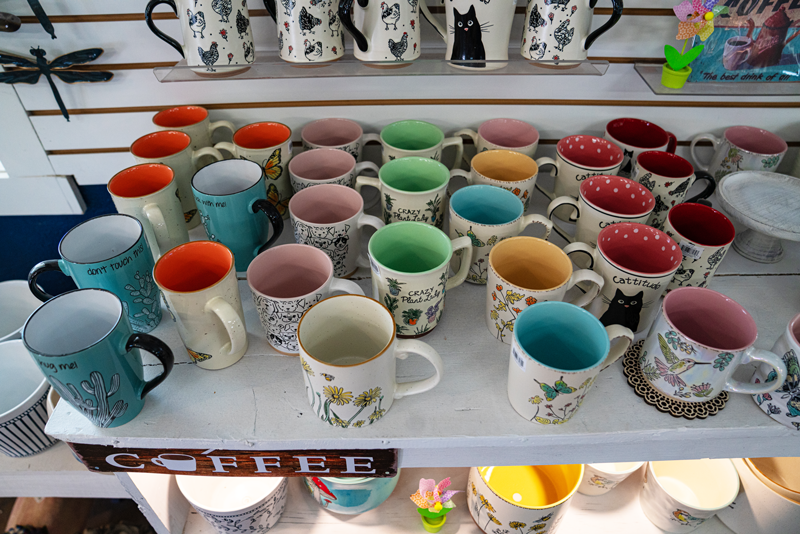
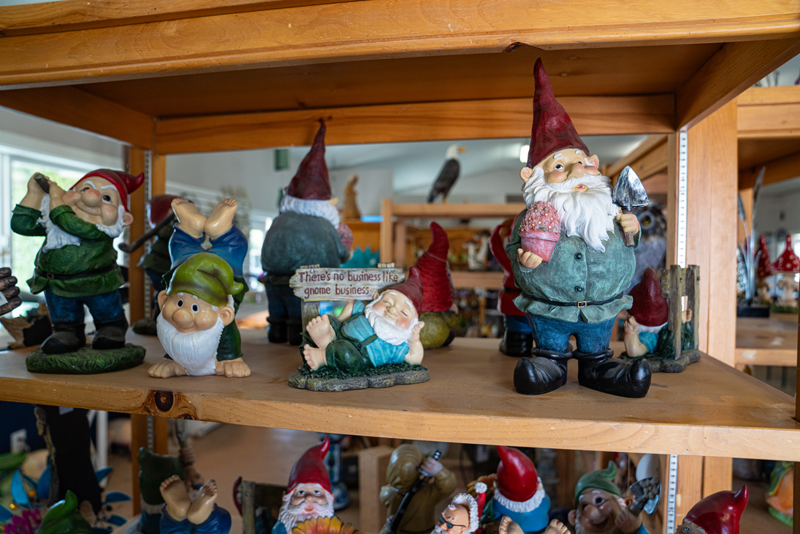
There’s something for everyone in our Gift Shop. Fun, fun stuff!
We have gift cards!
Call today.
Stay In The Know.
Subscribe to receive the lastest news and exclusive offers!